Our thematic areas
Women empowerment (SDG 5), climate action (SDG 13) and public policy advocacy (SDG 16): three areas of work with one purpose — bridging gaps by serving humanity.
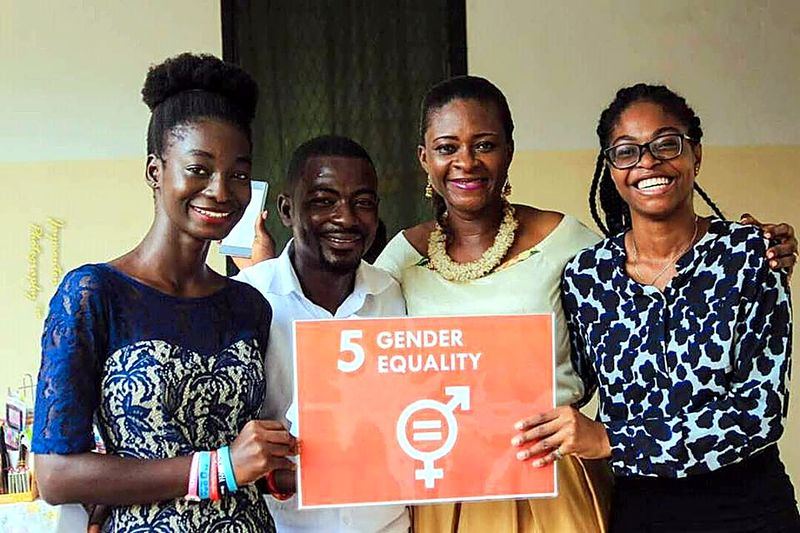 SDG 5
Women empowerment
We began by raising awareness of gender-based violence and discrimination through workshops and campaigns. Today we run education, vocational training and financial literacy programmes that give women the skills and knowledge to become economically independent.
Our mentorship programmes connect young women with successful women leaders, who offer guidance, support and networks to cultivate the next generation of women leaders. We also bring free health screening to underserved communities, because good health underpins every woman’s ability to learn, earn and lead.
See the Young Women Entrepreneurs Conference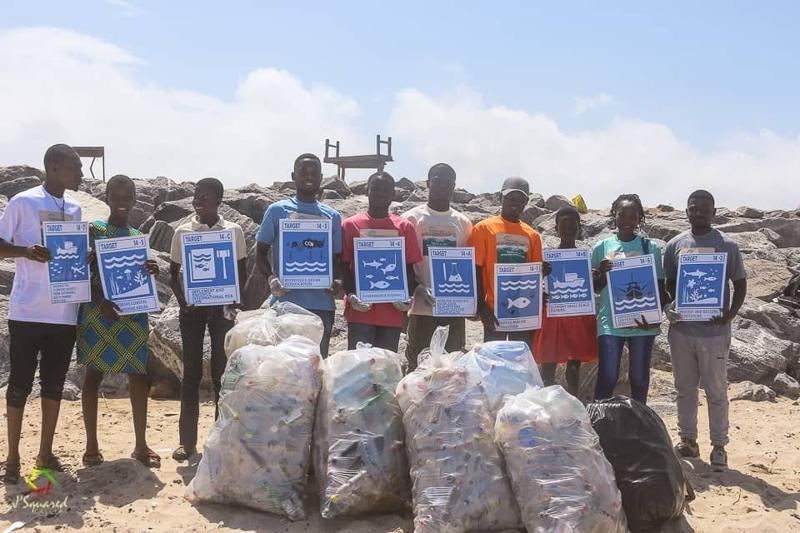 SDG 13
Climate action
Our climate work has grown from awareness-raising and basic eco-friendly practices into community-based environmental projects that build climate resilience, often creating livelihoods for women at the same time.
At home, we run beach clean-ups, recycling and eco-art training, and school outreach. Globally, we have taken Ghanaian voices to the UN Climate Change Conference (COP) and the plastics treaty negotiations, including INC-4 in Ottawa, INC-5 in Busan and the committee’s seventh session.
See our eco-art project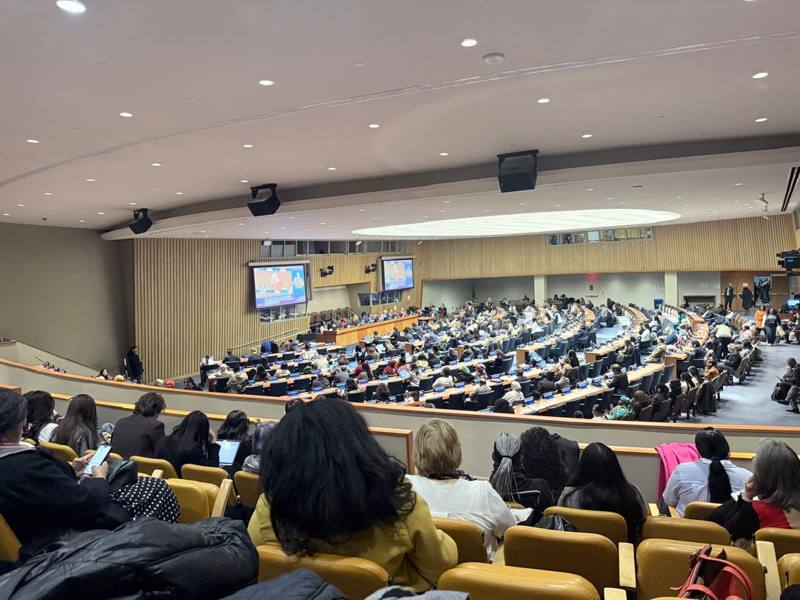 SDG 16
Public policy advocacy
We advocate for gender-responsive, accountable and inclusive institutions, bringing the evidence and voices of Ghanaian women and communities to the people who make decisions about their lives.
We have taken part in all of Ghana’s Voluntary National Review processes and, since 2020, have held Special Consultative Status with the UN Economic and Social Council — engaging in 12 UN forums, from the Commission on the Status of Women to the High-Level Political Forum.
See our UN engagementHow we transform lives
What we do in each of our three thematic areas.
SDG 5 Women empowerment
Formal education
We support girls and young women to access quality formal education through scholarships, school supplies and academic mentorship, so that financially disadvantaged students can stay in school and reach their goals.
- Scholarships
- School supplies
- Academic mentorship
Non-formal education
Alternative learning for women and young people without access to traditional schooling, giving them practical knowledge for personal and professional growth.
- Community literacy programmes
- Digital literacy training
- Leadership development workshops
- Life-skills education
Vocational training
Vocational and entrepreneurship training that promotes women’s economic independence and job creation, with support to start a business or secure employment.
- Tailoring and fashion design
- Agro-processing
- Entrepreneurship and small business management
- Digital and creative skills
Personal consultation
One-to-one consultation that helps women make informed decisions about education, careers and enterprise.
- Business advisory services
- Career guidance
- Financial literacy support
- Personal development coaching
Mentorship
Structured mentorship connecting successful women leaders and professionals with young women and aspiring entrepreneurs.
- Career guidance
- Leadership training
- Professional networking
- Personal development support
Persons with disabilities
Inclusive programmes that improve accessibility and equal opportunities for women and girls with disabilities and their communities.
- Skills training
- Advocacy for disability rights
- Educational support
- Community awareness for inclusion
Community health outreach
Free health screening and health education for underserved communities, because good health underpins every woman’s ability to learn, earn and lead.
- Health screening
- Health education
- Partnerships with health providers
SDG 13 Climate action
Climate education and community action
Helping communities and schools understand climate change and take practical action that also creates livelihoods.
- School climate outreach
- Beach clean-ups and recycling
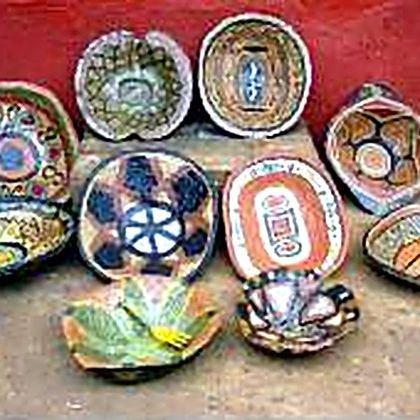
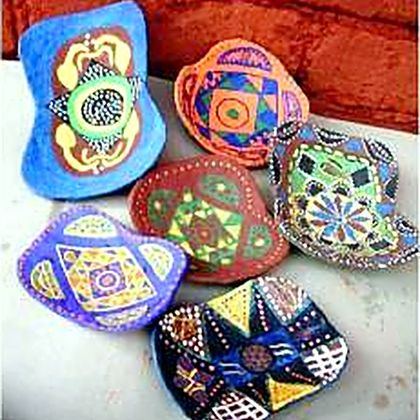
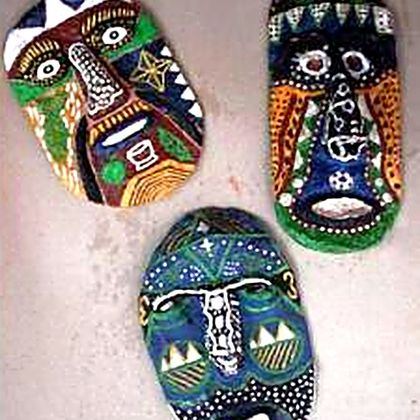
- Eco-art from waste materials
- Community resilience projects
Climate and plastics advocacy
Carrying the experience of Ghanaian communities into global climate and plastics negotiations.
- UN Climate Change Conference (COP)
- INC plastics treaty negotiations
- UN Water Conference
SDG 16 Public policy advocacy
Policy research and dialogue
Shaping national policy for social justice, gender equality and environmental sustainability, with women and communities at the table.
- Policy research and dialogue
- Gender-responsive policy advocacy
- Ghana’s Voluntary National Review (VNR) processes
- Community voices in decision-making
UN and global advocacy
Using our ECOSOC Special Consultative Status to hold institutions to account and amplify Ghanaian voices in global decision-making.
- Commission on the Status of Women
- High-Level Political Forum
- Human Rights Council
- Quadrennial reporting to ECOSOC
All donations are used as donors specify. Undesignated gifts support all three thematic areas, with a focus on women’s economic development and creating an environment for social change.
Support our activitiesEco-art training for rural women: waste into livelihoods
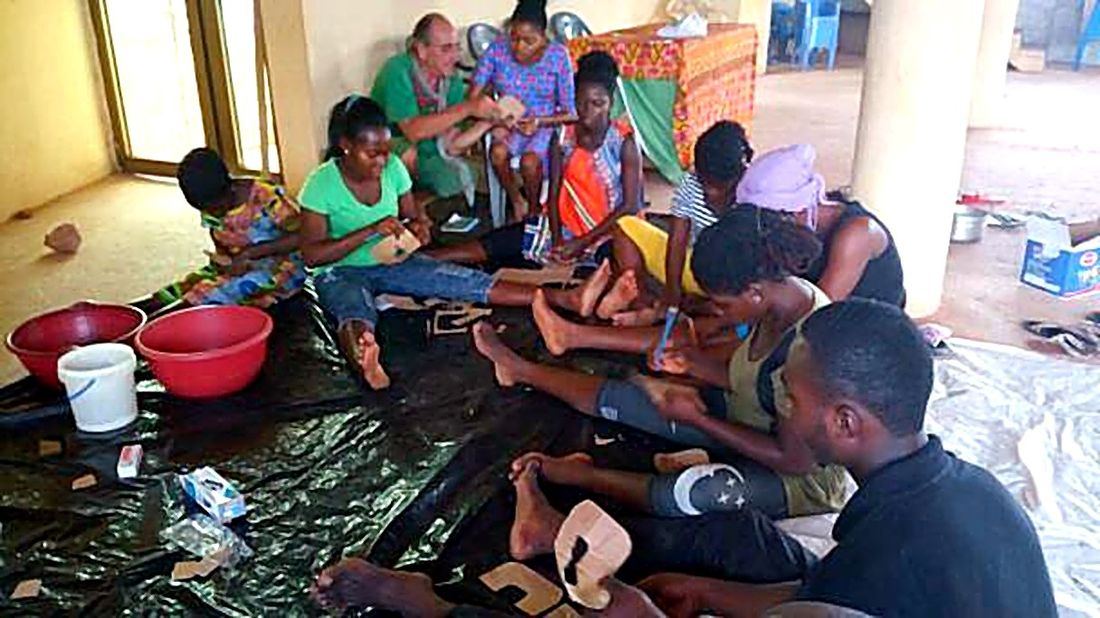
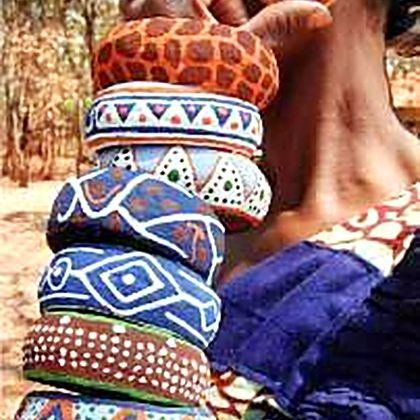
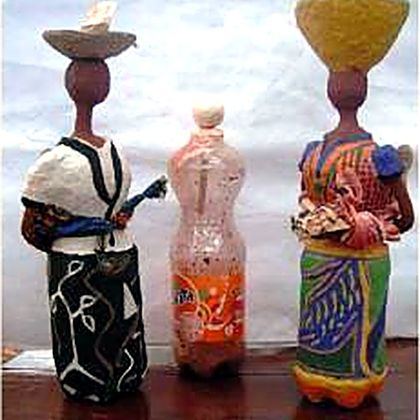
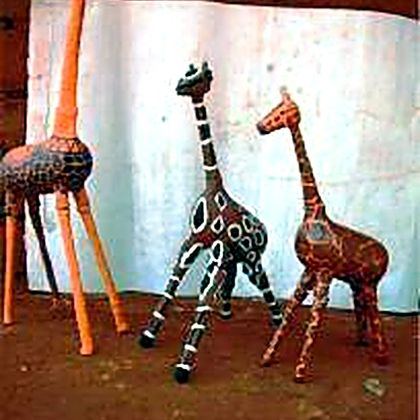
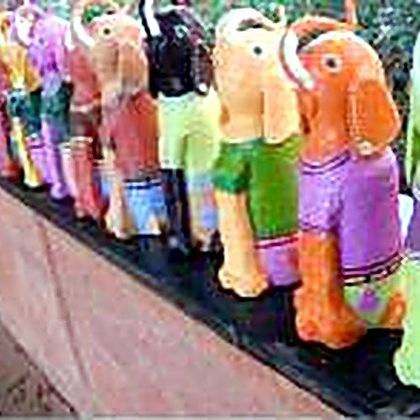
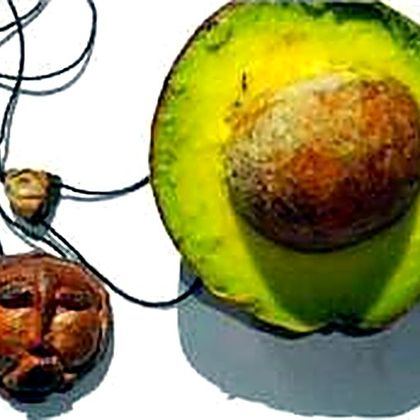
On 11 October 2016, as part of our drive to empower rural women, we welcomed Zeevic Jacob Peretz, an eco-artist from Israel, as a volunteer trainer. Over six months he trained rural women in eight communities of the Gomoa East District in a range of vocational skills, turning garbage and biodegradable materials into useful, saleable products.
The project gave women skills to earn a livelihood while supporting recycling and a cleaner, eco-friendly environment. It set out to train about 200 women, helping them become economically empowered and self-reliant.
To make the work last, we arranged for the beneficiaries to roll out the training to women’s groups in other parts of Ghana after our volunteer trainer left in March 2017.
- When
- October 2016 – March 2017
- Where
- 8 communities, Gomoa East District
- Trainer
- Zeevic Jacob Peretz, eco-artist
- Target
- About 200 women
Eco-art products from waste and biodegradable materials
We welcome support in every form to help extend this training to more women’s groups across Ghana. Support this work →
African Young Women Entrepreneurs Conference: harnessing potential
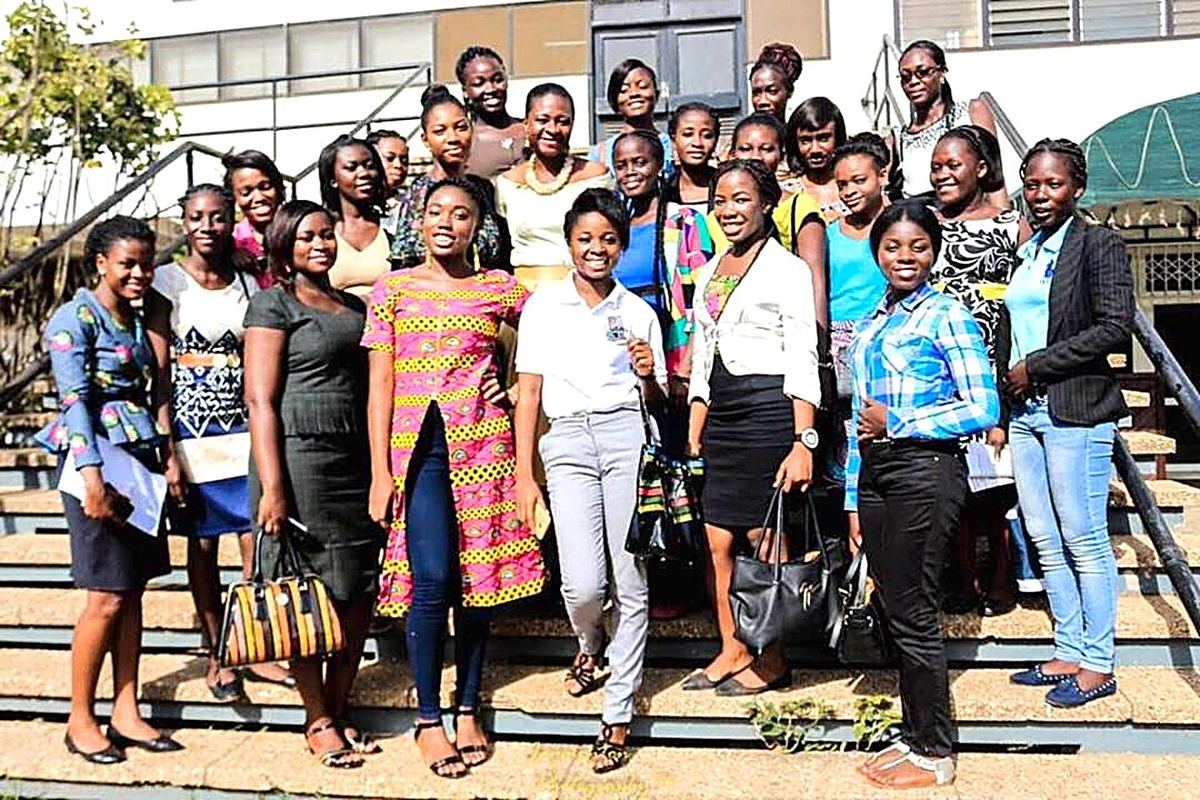
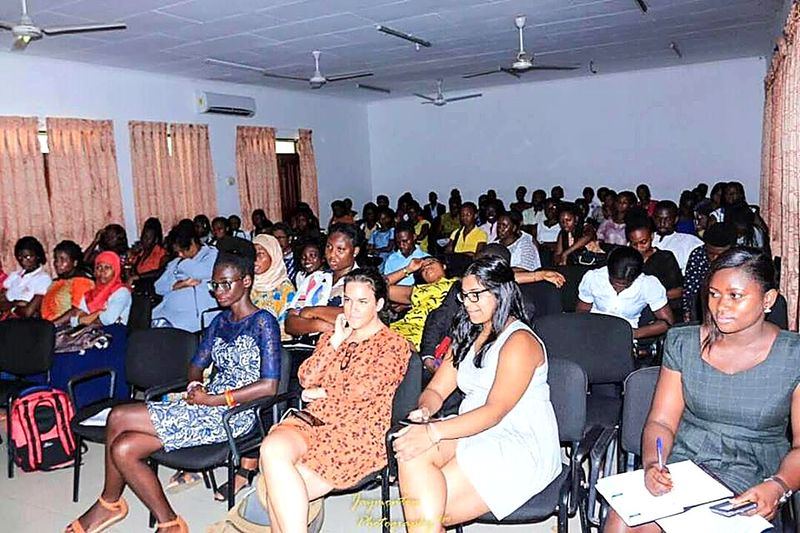
With the Women’s Commission of the University Students Association of Ghana (USAG), we brought young women together to explore enterprise as a path to independence, under the theme “Harnessing the Potentials of Young Women Through Entrepreneurship”.
On the day
- Entrepreneurship training
- Vocational training in soap making
- Bead making
- Free health screening
- Launch of the Obaapa Fund
- Date
- 28 April 2017
- Venue
- SRC Union Building, University of Ghana
- Partner
- Women’s Commission, USAG
- Focus
- SDG 5 · Gender equality
Stand with us.
Give, volunteer or partner with us to reach more women, young people and communities across Ghana.